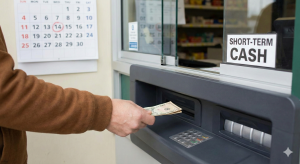
When unexpected expenses strike, the stress can be overwhelming, especially if your credit history is less than perfect. Finding fast and reliable funding becomes a top priority. This guide is designed to navigate the world of emergency loans for bad credit, focusing on how you can potentially secure funds with a same day deposit. We will explore what these loans are, how they work, and what you need to know before you apply, helping you make an informed decision during a difficult time.
What Exactly Are Emergency Loans for Bad Credit?
Emergency loans are a type of personal loan designed to provide quick cash for urgent financial needs, such as medical bills, car repairs, or unforeseen travel. When you have a poor credit score, traditional banks and credit unions may be hesitant to lend to you. This is where specialized lenders come in, offering emergency loans for bad credit. These lenders often place more emphasis on other factors, like your income and employment stability, rather than solely on your FICO score. While they offer a lifeline in a crisis, it’s crucial to understand that this accessibility often comes with higher interest rates and fees compared to conventional loans. The primary goal is speed and approval, even for borrowers who have been turned down elsewhere.
The process is typically streamlined for speed. Many lenders operate entirely online, allowing you to apply from your computer or smartphone in minutes. If approved, the funds can often be transferred directly to your bank account, sometimes on the same business day you apply. This rapid funding is a key feature of online loans same day deposit, making them a practical solution for true emergencies where time is of the essence. Our guide on how to get a loan with bad credit instantly provides more detail on speeding up your application process.
Featured Snippet Optimization
Emergency loans for bad credit with same day deposit are short-term personal loans designed for borrowers with low credit scores who need immediate funds. Lenders prioritize income and ability to repay over credit history, offering a streamlined online application process that can result in funds being deposited into your bank account within one business day.
How to Qualify for Online Loans Same Day Deposit
Qualifying for emergency funding when you have bad credit involves meeting a different set of criteria than what traditional banks require. While a high credit score is not the main focus, lenders still need assurance that you can repay the loan. They are taking on a higher risk, and their requirements reflect that.
Here are the common eligibility requirements you’ll likely encounter:
- Proof of Stable Income: This is perhaps the most critical factor. Lenders want to see that you have a regular source of income, whether from employment, self-employment, or government benefits. You’ll typically need to provide recent pay stubs, bank statements, or tax returns.
- Active Bank Account: To receive a same day deposit, you must have an active checking account in your name. This is where the lender will deposit the funds and, in most cases, where they will automatically debit payments.
- Age and Residency: You must be at least 18 years old and a U.S. citizen or permanent resident with a valid Social Security number. You’ll also need to provide proof of your current address.
- Contact Information: A valid email address and phone number are essential for communication and verification purposes throughout the loan process.
While some lenders advertise no credit check personal loans, most will perform at least a “soft” credit check. A soft check doesn’t impact your credit score but allows the lender to view your credit history and verify your identity. This helps them assess risk without harming your already fragile credit profile. Securing emergency loans for bad credit is possible, but being prepared with the right documentation is key to a smooth and fast approval.
Comparing Emergency Funding Options for Bad Credit
When you need cash quickly, it’s easy to jump at the first offer you see. However, taking a moment to compare your options can save you a significant amount of money and stress. Below is a comparison of common rapid-funding solutions for those with poor credit.
| Funding Option | Typical Funding Speed | Credit Impact | Common Loan Amount | Best For |
|---|---|---|---|---|
| Online Personal Loans | Same day to 2 business days | Soft or hard check; payments may be reported | $500 – $5,000 | Consolidating debt or larger unexpected costs |
| Payday Loans | Same day or next business day | Usually no hard credit check | $100 – $500 | Very small, short-term emergencies until your next paycheck |
| Cash Advance Apps | Instant (with fee) or 1-3 days (free) | No credit check | $25 – $250 | Covering minor shortfalls before payday |
| Pawn Shop Loans | Immediate (in person) | No credit check; no impact on score | Varies based on collateral value | When you have a valuable item and need cash without a bank account |
As the table shows, while payday and pawn shop loans are fast, they offer smaller amounts and can be incredibly expensive. Online personal loans, even those designed as emergency loans for bad credit, often provide a better balance of speed, loan amount, and a more structured repayment plan. Exploring the top 5 lenders for bad credit personal loans can give you a clearer picture of specific offers available.
Checklist for Applying for Same-Day Emergency Loans
Being prepared can dramatically increase your chances of getting approved for emergency loans for bad credit and receiving funds quickly. Follow this checklist to streamline your application for online loans same day deposit.
- ☑ Assess Your Need: Determine the exact amount you need. Borrowing more than necessary will only increase your repayment costs. Be realistic about what the emergency requires.
- ☑ Gather Your Documents: Before you start applying, have digital copies of the following ready:
- Government-issued ID (Driver’s license, state ID)
- Social Security number
- Proof of income (recent pay stubs, bank statements)
- Active checking account number and routing number
- Valid email address and phone number
- ☑ Check Your Credit (Optional but Recommended): Use a free credit monitoring service to know your score. This helps you understand what lenders see and manage your expectations.
- ☑ Research and Compare Lenders: Don’t accept the first offer. Use online comparison tools to look at multiple lenders. Pay close attention to APR (Annual Percentage Rate), fees, and repayment terms.
- ☑ Complete the Application Accurately: Fill out the online application form with 100% accurate information. Any discrepancies can cause delays or an automatic denial. Double-check all numbers and spelling.
- ☑ Read the Fine Print: If you receive an offer, carefully read the entire loan agreement before signing. Understand the total cost of the loan, the payment schedule, and any penalties for late or missed payments.
- ☑ Plan for Repayment: Before you accept the funds, create a budget to ensure you can make the monthly payments on time. Defaulting on the loan will further damage your credit and lead to a cycle of debt.
Understanding the True Cost of Emergency Loans
Convenience and speed come at a price. Emergency loans for bad credit carry higher interest rates than traditional loans because the lender is assuming more risk. The Annual Percentage Rate (APR) is the most important number to consider, as it includes both the interest rate and any associated fees, giving you the true annual cost of borrowing.
APRs for these types of loans can range widely, from moderately high to extremely high, particularly for payday-style products. For example, a $1,000 loan might have an APR of 36% from a more competitive online lender, while another might charge an APR over 100%. It is vital to compare APRs from different lenders to find the most affordable option. Always look for origination fees (a fee for processing the loan), late payment fees, and prepayment penalties (a fee for paying the loan off early). Transparent lenders will disclose all costs upfront in the loan agreement.
Frequently Asked Questions (FAQ)
- Can I get an emergency loan with bad credit and no job?
- It is challenging but not impossible. Lenders require a source of consistent income to ensure repayment. If you are unemployed, you may still qualify if you have alternative income sources like disability benefits, social security, pension, or self-employment income that you can document.
- Do same-day emergency loans require a hard credit check?
- Many lenders specializing in emergency loans for bad credit perform a “soft” credit check during the pre-qualification phase, which doesn’t affect your credit score. However, if you proceed with a full application, most will perform a hard credit check, which can temporarily lower your score by a few points.
- What is the fastest I can get an emergency loan?
- Many online lenders offer same-day approval and funding. To maximize your chances of getting cash quickly, apply early on a business day and have all your required documentation ready. Funds are often deposited within one business day, but same-day deposit is possible with some lenders if the application is approved before their cutoff time.
- Will taking out an emergency loan build my credit?
- It depends on the lender. If the lender reports your payment history to the three major credit bureaus (Equifax, Experian, and TransUnion), making on-time payments can help improve your credit score over time. However, not all short-term emergency lenders report payments, so this is not a guaranteed benefit.
- What are the typical interest rates for these loans?
- Interest rates (APRs) vary significantly based on the lender, your state, and your specific financial profile. For borrowers with bad credit, APRs can range from around 30% to well over 100%. It is critical to compare offers to find the most competitive rate available to you.
- Are there alternatives to taking out a high-interest emergency loan?
- Yes. Before borrowing, consider alternatives like negotiating a payment plan with your creditor, asking for an advance from your employer, borrowing from family or friends, or seeking assistance from local charities and non-profits. These options may not be as fast but are often much cheaper.
- What happens if I can’t repay my emergency loan?
- Defaulting on a loan will have serious negative consequences. Your credit score will drop significantly, the lender may send your account to a collections agency, and you could face legal action. If you anticipate having trouble making a payment, contact your lender immediately to discuss potential options like a hardship plan.
Conditions vary by profile. Consult official terms. Indicative information.
Official Sources and References
By clicking the links above, you will be redirected to external websites. We are not responsible for third-party content. Always verify information from official sources.